Introduction
Summer in the UAE can be extremely challenging for dogs. High temperatures, intense sunlight, and hot outdoor surfaces can quickly cause overheating. Therefore, responsible owners need to adjust daily routines during the hottest months. Pet Care in UAE Summer: 7 Rules to Prevent Dangerous Heatstroke in Dogs provides practical guidance for keeping dogs comfortable, hydrated, and protected.
Dogs cannot regulate their body temperature as efficiently as humans. They mainly cool themselves through panting and limited sweating through their paw pads. When environmental temperatures become too high, these natural cooling mechanisms may not work effectively.
Heatstroke can develop rapidly and may become life-threatening without immediate veterinary treatment. Fortunately, careful planning can significantly reduce the risk. From managing exercise times to providing constant access to water, simple changes can make summer safer for your dog.
Why UAE Summer Can Be Dangerous for Dogs
UAE summers bring intense heat that can make outdoor conditions unsafe for pets. Even when an owner feels comfortable indoors, the temperature outside may be dangerous for a dog.
Humidity can make the situation worse because it reduces the effectiveness of evaporation during panting. As a result, a dog may struggle to release excess body heat.
Pavements and roads can also become extremely hot under direct sunlight. A short walk across a heated surface may cause painful burns to sensitive paw pads.

Therefore, Pet Care in UAE Summer: 7 Rules to Prevent Dangerous Heatstroke in Dogs should begin with understanding how quickly environmental heat can affect your pet.
Rule One: Avoid Exercise During Peak Heat
One of the most important summer precautions is changing your dog’s exercise schedule. Avoid long walks and strenuous activities during the hottest part of the day.
Early morning and later evening are generally safer times for outdoor activity. However, temperatures should still be checked before leaving home.
Dogs that normally enjoy long walks may need shorter sessions during summer. Their exercise requirements can be maintained through appropriate indoor activities when outdoor conditions become unsafe.
Remember that enthusiasm does not always mean a dog is physically comfortable. Some dogs continue playing despite becoming dangerously overheated.
Rule Two: Provide Constant Access to Fresh Water
Hydration is essential for effective temperature regulation. Dogs lose water through panting, particularly during hot weather.
Fresh drinking water should always be available at home. During walks or car journeys, owners should carry enough water for their dogs.
Water bowls should also be placed in convenient areas where dogs can drink whenever they need it. Outdoor bowls should remain shaded and should be cleaned regularly.
If your dog suddenly drinks much more than usual, appears weak, or refuses water, pay attention to other symptoms. Changes in drinking behavior can sometimes indicate a health problem requiring veterinary advice.
Rule Three: Never Leave Your Dog Inside a Parked Car
A parked vehicle can become dangerously hot very quickly. Opening a window slightly does not make a parked car a safe environment for a dog.
The temperature inside a vehicle can rise rapidly even when the weather initially feels manageable. Dogs have limited ability to escape this increasing heat.
Therefore, never leave your dog unattended inside a parked vehicle during UAE summer. This rule applies even when you expect to be away for only a few minutes.
If you need to visit a location where dogs are not permitted, make alternative arrangements. Your pet’s safety should always come before convenience.
Rule Four: Create a Cool Indoor Environment
A comfortable indoor environment is one of the strongest protections against summer heat. Dogs should have access to a cool, well-ventilated area throughout the day.
Air conditioning can be particularly important during periods of extreme heat. However, the room should not become excessively cold either.
Provide a comfortable resting area away from direct sunlight. Cooling mats, breathable bedding, and shaded spaces can also help dogs remain comfortable.
For households using fans, ensure the equipment is positioned safely. Dogs should never be able to chew electrical cables or knock over appliances.
Rule Five: Protect Your Dog’s Paws From Hot Surfaces
Hot pavement is an often-overlooked summer danger. Asphalt and other outdoor surfaces can become much hotter than the surrounding air.
Before walking your dog, check the surface temperature. Place the back of your hand against the pavement for several seconds. If it feels too hot for your hand, it may also be too hot for your dog’s paws.
Choose shaded paths whenever possible. Grass can sometimes provide a more comfortable walking surface than exposed pavement.
If your dog begins lifting its paws, walking strangely, or refusing to continue, stop the walk. These behaviors can indicate discomfort or burns.
Rule Six: Recognize the Warning Signs of Heatstroke
Knowing the early warning signs can make a major difference. Excessive or unusual panting is one common indication that a dog is struggling with heat.
Other warning signs can include heavy drooling, weakness, confusion, vomiting, unsteady movement, or collapse. In severe cases, heatstroke can cause seizures or loss of consciousness.
Heatstroke is an emergency. If you suspect your dog is suffering from it, move the dog to a cooler area and contact a veterinarian immediately.
Cooling should be started carefully while professional veterinary guidance is sought. Avoid using extremely cold water because sudden temperature changes may create additional problems.
Do not wait for severe symptoms before seeking help. Early intervention can be critical.
Rule Seven: Adjust Grooming and Summer Care
Grooming can help dogs remain comfortable during hot weather, but shaving every dog is not automatically the right solution.
A dog’s coat provides insulation and can offer some protection from sunlight. The appropriate grooming approach depends on the breed, coat type, and individual needs.
Regular brushing can remove loose undercoat and prevent excessive matting. A clean, well-maintained coat may allow better air circulation around the skin.
Dogs with thick or long coats may benefit from professional grooming during summer. However, owners should discuss appropriate trimming with an experienced groomer or veterinarian.
Grooming should also include checking the skin and paws for irritation. UAE heat can contribute to discomfort, especially when dogs spend time outdoors.
How Breed and Age Affect Heatstroke Risk
Not every dog handles heat in the same way. Some dogs face a greater risk because of their physical characteristics or age.
Brachycephalic breeds, including Bulldogs, Pugs, and French Bulldogs, can have greater difficulty cooling themselves. Their shortened airways may make breathing more challenging in hot conditions.
Puppies and older dogs may also require additional attention. Dogs with certain underlying health conditions can be particularly vulnerable.
Overweight dogs may struggle more with heat regulation as well. Therefore, summer routines should be adjusted according to the individual dog’s needs.
This is why Pet Care in UAE Summer: 7 Rules to Prevent Dangerous Heatstroke in Dogs should never be treated as a one-size-fits-all routine.
Summer Travel With Dogs in the UAE
Travel requires additional preparation during hot weather. Before taking your dog somewhere, consider the temperature, journey length, and available ventilation.
The vehicle should remain comfortably air-conditioned throughout the journey. Dogs should also be secured appropriately rather than allowed to move freely around the cabin.
Long journeys should include suitable breaks when conditions allow. However, avoid unnecessary outdoor stops during peak heat.
Never assume that a quick stop is harmless. A dog can become overheated surprisingly quickly in unsuitable conditions.
Can Dogs Swim to Cool Down?
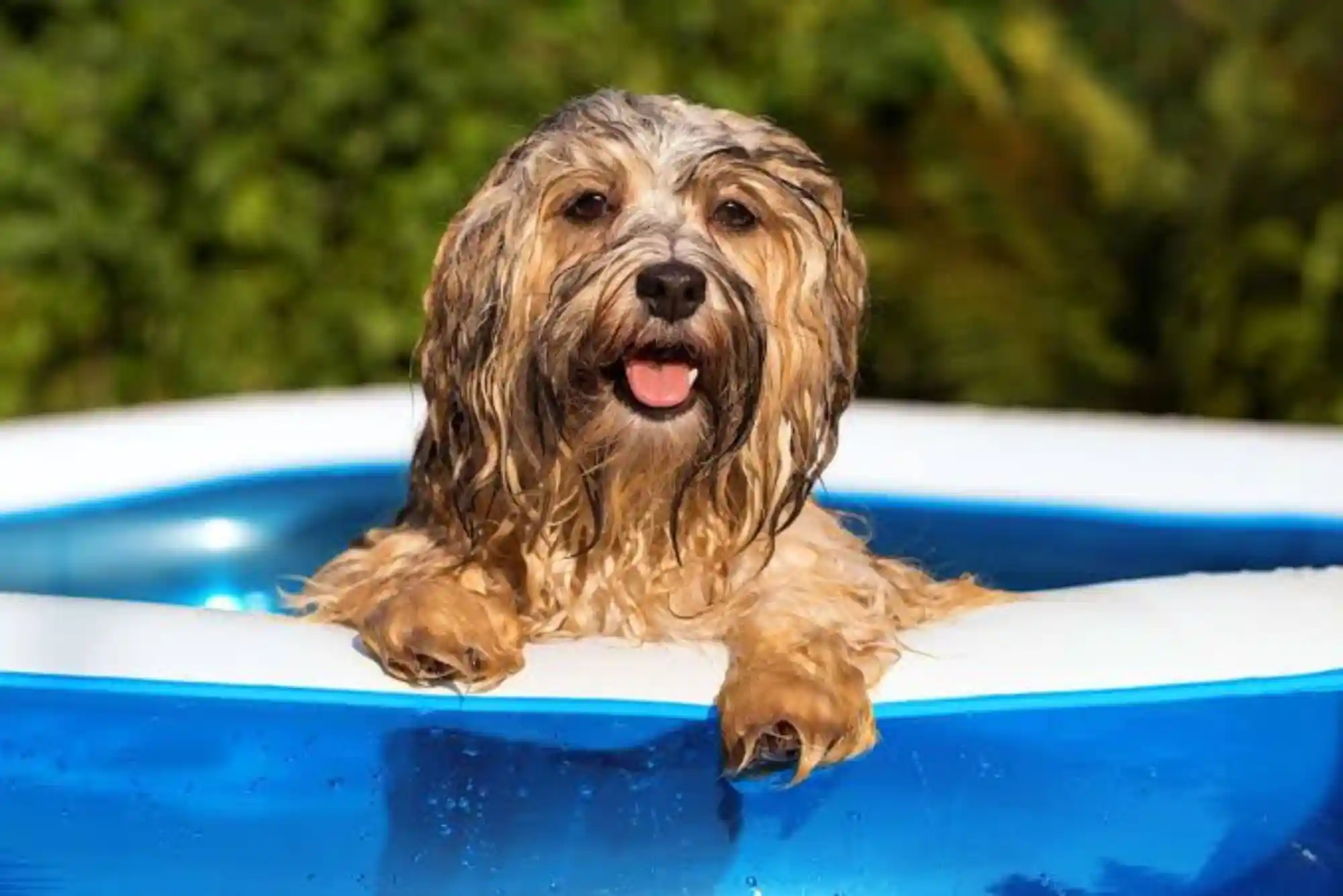
Swimming can provide exercise and cooling for some dogs. However, not every dog is a natural swimmer.
Dogs should never be forced into a pool or other body of water. Always supervise them around water, even if they appear confident.
After swimming, rinse your dog when appropriate and dry the coat properly. This can help prevent skin irritation and other problems.
Swimming should complement sensible heat management rather than replace access to shade, water, and a cool environment.
What Should You Do If Your Dog Shows Heatstroke Symptoms?
Suspected heatstroke should always be treated seriously. Move your dog away from direct heat immediately and contact a veterinarian.
Allow your dog to rest somewhere cool and well-ventilated. Follow professional veterinary instructions regarding safe cooling measures.
Do not delay professional care because your dog appears to improve temporarily. Heatstroke can affect multiple organs, and complications may not be immediately obvious.
If your dog collapses, becomes confused, has difficulty breathing, or develops seizures, treat the situation as an emergency.
Creating a Safe UAE Summer Routine
A successful summer routine begins before the temperature becomes extreme. Check the weather before planning outdoor activities and consider your dog’s individual tolerance.
Schedule walks during cooler periods and keep outdoor sessions shorter when necessary. Provide water before, during, and after appropriate activity.
At home, maintain a cool resting area and monitor your dog’s behavior. Changes such as unusual panting, weakness, or reluctance to move should never be ignored.
You should also keep your veterinarian’s contact information easily available. Knowing where to seek emergency veterinary care can save valuable time.
Ultimately, prevention is much safer than trying to manage severe overheating after it develops.
Frequently Asked Questions
How hot is too hot for dogs?
There is no single temperature that is safe for every dog. Breed, age, health, humidity, coat type, and activity level all affect heat tolerance.
In UAE summer conditions, owners should be especially cautious. Extreme outdoor temperatures can become dangerous quickly, particularly during exercise.
How can I keep my dog cool in UAE summer?
Keep your dog indoors during extreme heat and provide constant access to fresh water. Use air conditioning or other safe cooling methods when necessary.
Schedule walks during cooler periods and avoid hot pavement. You can also provide a shaded resting area and appropriate cooling products.
What are the first signs of heatstroke in dogs?
Heavy panting, excessive drooling, weakness, restlessness, and unusual behavior can be warning signs. Vomiting, confusion, collapse, and seizures indicate a serious emergency.
If heatstroke is suspected, contact a veterinarian immediately.
Can I walk my dog during UAE summer?
Yes, but timing is extremely important. Short walks during cooler periods are generally safer than exercise during peak daytime heat.
Always check the ground before walking. If the pavement is too hot for your hand, choose another route or postpone the walk.
Should I shave my dog in summer?
Not necessarily. A dog’s coat can provide protection from sunlight and help with temperature regulation.
Instead of automatically shaving the coat, discuss appropriate grooming with a professional. Regular brushing and removing mats can help maintain a healthy coat.
Conclusion
UAE summer requires thoughtful and consistent pet care. Dogs can become overheated quickly, especially during strenuous activity or prolonged exposure to hot environments.