For the last decade, the smartphone industry has been obsessed with “thinness.” We’ve seen devices get slimmer, screens get curvier, and glass become more prominent. But for those of us who actually spend time outdoors—whether that’s hiking the Alps, navigating a desert trail, or just dealing with the unpredictable chaos of a construction site—fragile beauty doesn’t mean much. If a phone shatters the first time it meets a gravel path, it’s not a tool; it’s a liability.
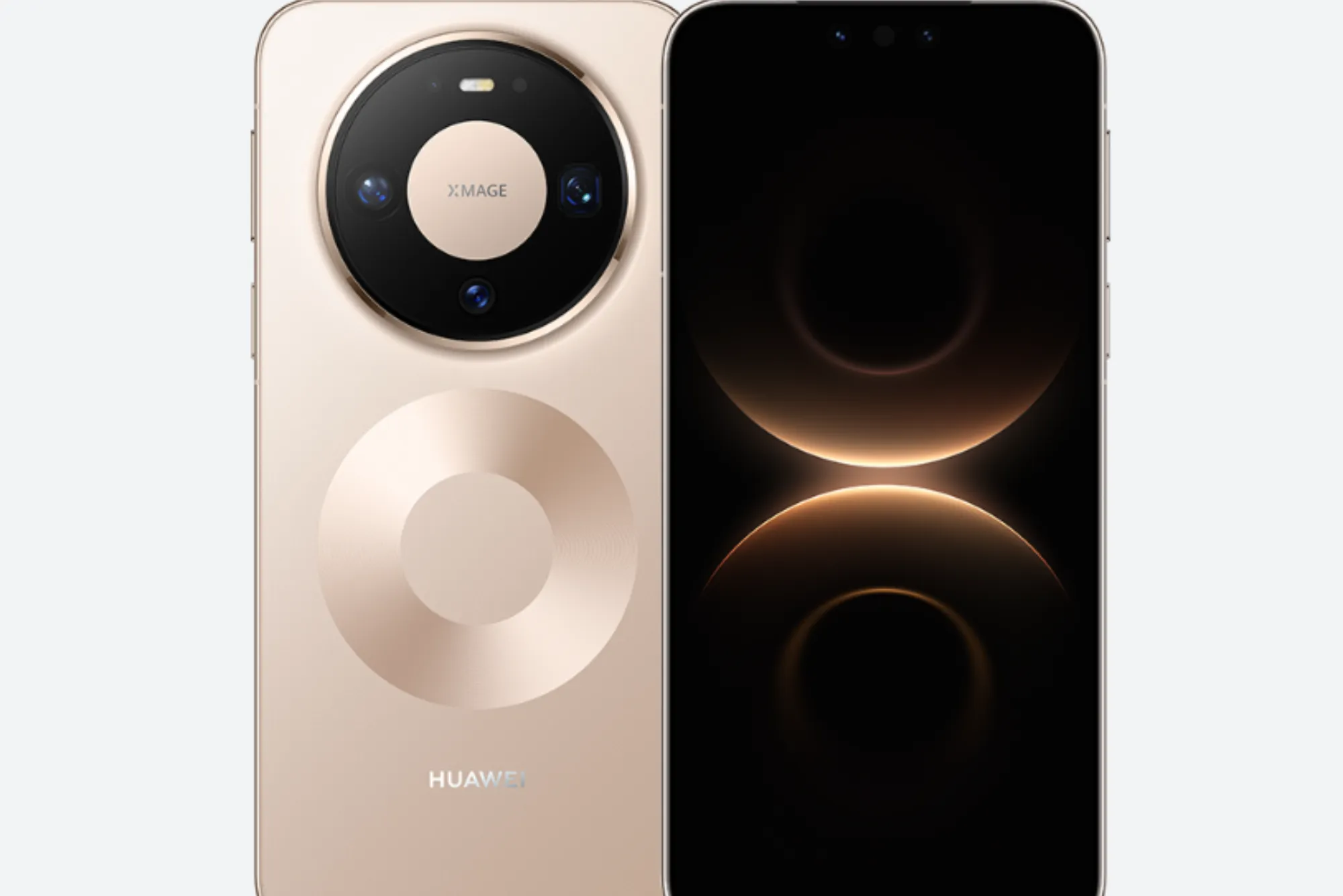
As we move through 2026, the conversation is finally shifting toward something more practical: reliability. For many, the decision comes down to the Huawei Mate 80 Pro price, as users are increasingly willing to invest in a device that doesn’t just want to be the fastest in benchmark tests but wants to be the last device standing when things go sideways.
The End of “Fragile” Flagships
Let’s be real—most high-end phones feel like they need to be wrapped in bubble wrap. Huawei decided to take a different route with the Mate 80 lineup by introducing the Xuanwu 2.0 architecture. This isn’t just a fancy name for a metal frame; it’s a total rethink of how a phone is built.
By using a basalt-fiber composite for the back and a high-strength aluminum alloy for the core, the device achieves a level of structural integrity that’s usually reserved for industrial tablets. When you hold it, it feels dense and purposeful. But the real magic is in the second-gen Kunlun Glass. It’s rated for 20 times the drop resistance of standard reinforced glass. In practical terms, this means that if your phone slips out of your pocket while you’re scrambling up a rocky ridge, you aren’t looking at a massive repair bill—you’re just picking it up and moving on.
Communication When the Grid Fails
One of the scariest things about modern adventuring is the “dead zone”—that moment your signal bars disappear and you realize you’re totally cut off. Most flagships in 2026 still rely entirely on 5G towers that aren’t always where you need them to be.
The Mate 80 lineup solves this with a “Ground-to-Sky” communication suite. It’s not just about sending a text via satellite anymore. This series introduces a 700MHz emergency frequency. Why does that matter? Because 700MHz can penetrate thick forest canopies and even structural debris much better than high-frequency 5G. If you’re caught in a storm or an area with zero infrastructure, this dedicated band can broadcast an SOS to rescue teams. Furthermore, they’ve added a 2.4GHz device-to-device “walkie-talkie” mode, allowing groups to stay in touch within a 7-kilometer range—totally independent of any cellular network.
A Display That Battles the Sun
Visibility is another huge hurdle for outdoor tech. We’ve all been there—trying to read a map on a screen that’s completely washed out by the mid-day sun. To fix this, Huawei debuted a dual-layer OLED display on these models.
The specs are wild—hitting a peak brightness of 8000 nits. To put that in perspective, most laptops struggle to hit 500 nits. This screen doesn’t just “fight” the sun; it wins. Even in the glaring white light of a salt flat or a snowy peak, the UI remains perfectly crisp. Plus, because it’s a dual-layer setup, it’s more energy-efficient and has a longer lifespan than traditional OLEDs, which tend to dim over years of high-brightness use.
The “Expedition” Mindset
Software usually feels like an afterthought on rugged phones, but here, the EMUI 15 “Expedition Mode” is deeply integrated. It’s not just a dark theme with a compass; it changes how the hardware behaves.
When you toggle it on, the phone prioritizes low-frequency GPS pings to save juice, allowing for a continuous 33-hour navigation track even if the screen is off. It also activates an ultra-low-power “1% Emergency Mode,” which can give you 30 minutes of talk time or 2 hours of standby even when the battery is technically empty. For an adventurer, those extra minutes can be the difference between a cold night out and getting home safely.
Why Reliability is the New Luxury
In the past, luxury meant “delicate.” In 2026, luxury means “unstoppable.” We’re seeing a trend where users value a device that can keep up with an active, demanding lifestyle. The series isn’t trying to hide its toughness; it’s wearing it as a badge of honor.
Whether you’re a professional working in extreme environments or an amateur explorer who loves the weekend trails, having a phone that is IP69 rated (resistant to high-pressure water jets) and structurally armored is the ultimate peace of mind. You stop worrying about the tech and start focusing on the experience.
Final Thoughts
The smartphone market has reached a point where “faster” isn’t enough anymore. We need devices that are smarter about how they keep us connected and tougher in how they face the elements.
The Mate 80 lineup has successfully bridged the gap between a high-end business flagship and a rugged survival tool. It’s a sophisticated, powerful piece of kit that just happens to be built like a tank. If 2026 is about anything, it’s about tech that earns your trust—and this series has certainly done that